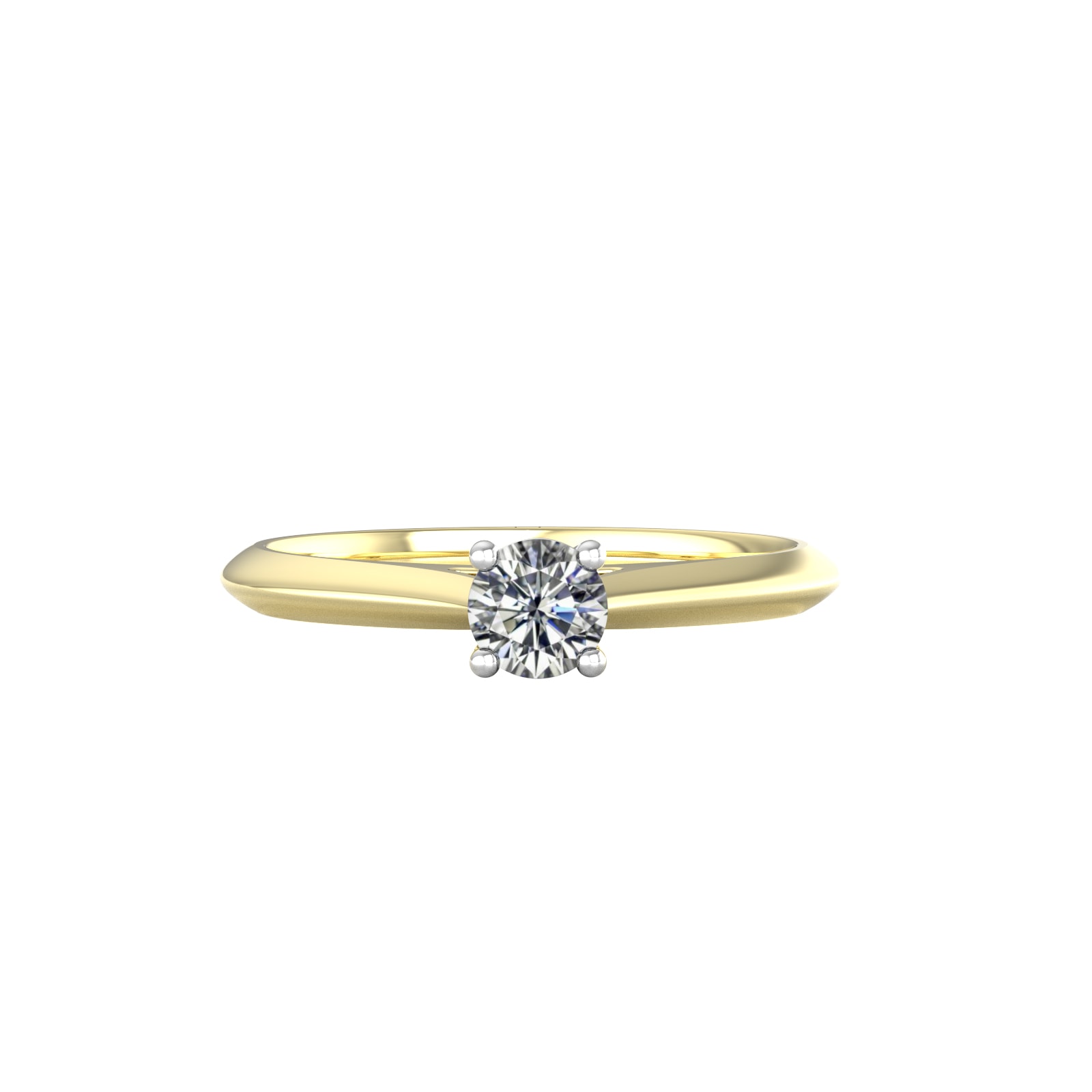
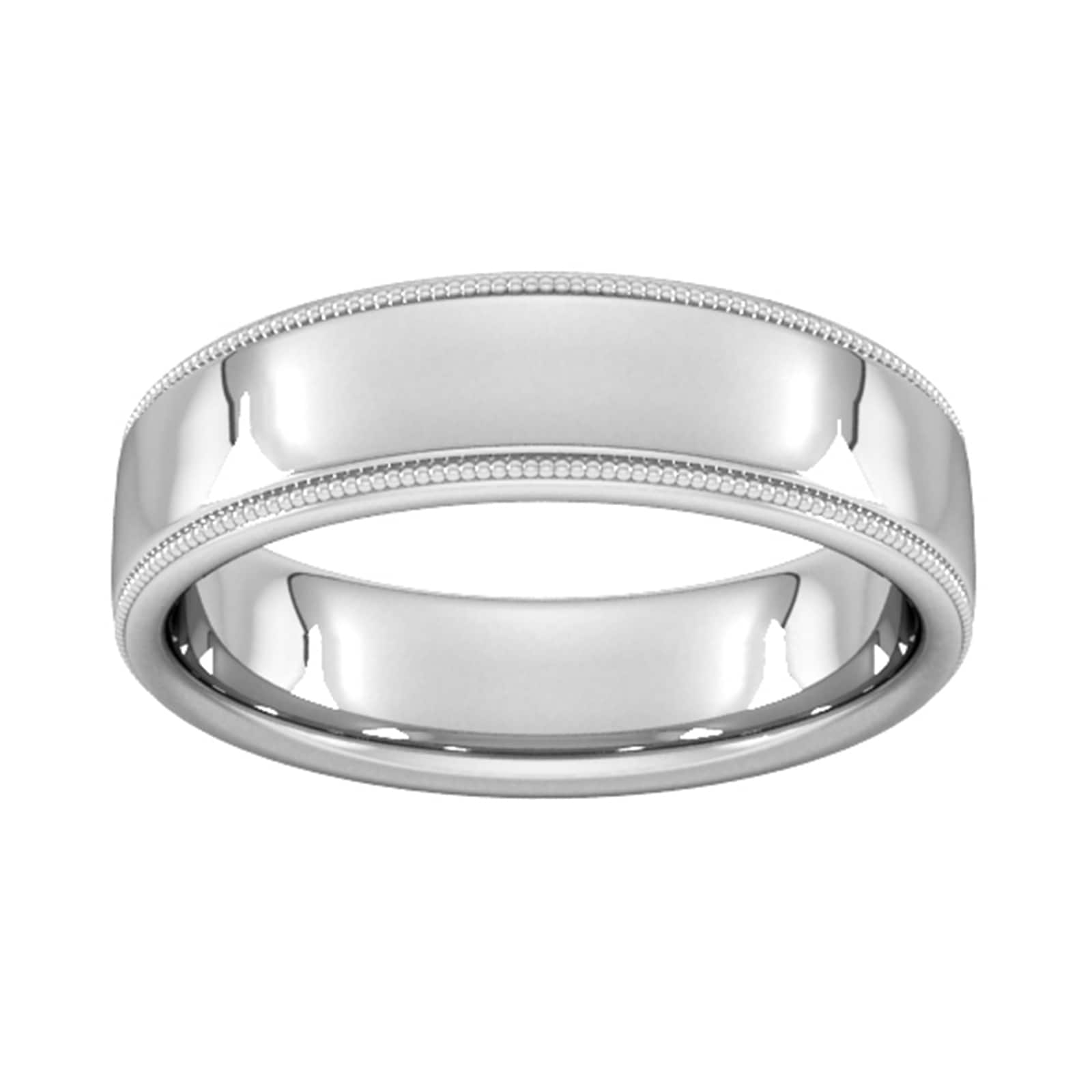
Lab-grown and natural diamonds are chemically identical: crystallised carbon with 10 Mohs hardness. Lab-grown stones typically cost 60-80% less than comparable natural diamonds at retail.
Choosing between lab-grown and natural diamond is one of the most common questions in engagement shopping. Both are real diamonds. The difference is origin — one formed underground over billions of years, the other in a controlled lab over weeks. That origin gap drives price, resale, and how some buyers feel about provenance.
Are lab-grown diamonds real diamonds?
Yes. Lab-grown diamonds are real diamonds with the same carbon crystal structure, 10 Mohs hardness, and optical properties as mined stones. GIA, IGI, and other major labs grade both using the 4Cs (cut, colour, clarity, carat). They are not cubic zirconia or moissanite.
The FTC recognises lab-grown diamonds as diamonds. Reputable sellers disclose origin on certificates and product pages. If a listing says "diamond simulant" or "diamond-like," it is not a diamond.
What is the main difference between lab-grown and natural?
Origin. Natural diamonds form in kimberlite pipes deep in the earth. Lab-grown diamonds are created using HPHT (high pressure, high temperature) or CVD (chemical vapour deposition) processes that replicate diamond-growing conditions.
Chemically and physically, the result is the same material. Gemological testing — not the naked eye — confirms whether a stone is natural or laboratory-grown.
How do prices compare?
Lab-grown diamonds cost significantly less at the same carat weight, cut grade, and clarity. Retail gaps of 60-80% are common. A 1 ct lab-grown stone often matches the price of a 0.3-0.5 ct natural stone of similar visual grade.
That price gap lets buyers choose a larger centre stone, a higher cut grade, or a better setting within the same budget. Cut quality affects sparkle more than origin — a well-cut lab-grown stone often outshines a poorly cut natural one.
| Factor | Lab-grown | Natural |
|---|---|---|
| Typical 1 ct/G/VS2 retail | Lower | Higher |
| Resale value | Lower | Higher |
| Certificate origin line | Laboratory-grown | Natural |
Browse diamond rings on FindAndShine to compare live listings by stone type and budget.
Can you tell lab-grown from natural with the naked eye?
No. They look identical without specialised equipment. Only gemological testing — fluorescence patterns, growth structure under magnification, and spectroscopy — confirms origin.
Do not rely on sparkle, fire, or "warmth" as origin clues. Those depend on cut, not whether the stone was mined or grown.
Which is better for an engagement ring?
Both work. Choose lab-grown if you want maximum size and quality within a fixed budget. Choose natural if provenance, tradition, or long-term resale matter to you.
Many couples prioritise cut and setting over origin. Others want a natural centre stone for sentimental or investment reasons. Neither choice is wrong — align the ring with what you will still feel good about in ten years.
For a third option at lower cost, see moissanite vs diamond. For metal choices around the stone, browse engagement rings and engagement jewelry.
How are lab-grown diamonds certified?
GIA, IGI, GCAL, and other labs issue grading reports for lab-grown diamonds. The certificate states "laboratory-grown" or equivalent and grades cut, colour, clarity, and carat the same way as natural stones.
Always verify the certificate matches the listing before checkout on the brand site. FindAndShine helps you compare options; final purchase and authentication happen with the retailer.
Does insurance treat them differently?
Insurers typically appraise lab-grown diamonds at lower replacement values than comparable natural stones. Disclose stone type when scheduling coverage. Some policies use the certificate origin line for valuation.
Ask your insurer whether they distinguish lab-grown and natural at claim time. Keep the grading report with your purchase receipt.
Are lab-grown diamonds more ethical?
Lab-grown diamonds avoid mining impacts. Natural diamonds from responsible sources address labour and environmental concerns through certification programmes such as the Kimberley Process and supplier audits.
Ethics depend on which factors you weight — mining footprint, energy use in labs, and supply-chain transparency. Read each brand's sourcing statement before you buy.
Which should you choose?
Lab-grown suits buyers who want a larger or higher-grade stone within budget and accept lower resale value. Natural suits buyers who value geological rarity, traditional engagement norms, or stronger secondary-market prices.
Compare listings on FindAndShine, verify certificates at checkout, and choose the stone that fits your budget and values. See moissanite vs diamond if you want a non-diamond centre stone.
Lab-grown vs natural diamond
| Factor | Lab-grown | Natural |
|---|---|---|
| Composition | Carbon | Carbon |
| Mohs hardness | 10 | 10 |
| 1 ct G/VS price | Lower (60-80% less) | Higher |
| Resale value | Lower | Higher |
| Naked-eye look | Identical | Identical |
Compare listings on FindAndShine, then verify certificates on the brand site.
People also ask
Are lab-grown diamonds real diamonds?
Yes. Lab-grown diamonds are real diamonds with the same carbon crystal structure and 10 Mohs hardness as mined stones. They are created in a laboratory, not extracted from the earth.
How much cheaper are lab-grown diamonds?
Lab-grown diamonds typically cost 60-80% less than comparable natural diamonds at retail. A 1 ct lab-grown stone often matches the price of a 0.3-0.5 ct natural stone of similar grade.
Can you tell lab-grown from natural with the naked eye?
No. They look identical to the naked eye. Only gemological testing can confirm origin.
Do lab-grown diamonds hold resale value?
Lab-grown diamonds generally have lower resale value than natural diamonds. Neither type is a reliable investment at retail prices.
Frequently asked questions
- What is the main difference between lab-grown and natural diamonds?
- Origin. Natural diamonds form over billions of years underground. Lab-grown diamonds are produced in weeks using HPHT or CVD processes. Chemically and physically they are the same material with 10 Mohs hardness.
- Which is better for an engagement ring?
- Both work. Choose lab-grown for a larger stone within budget. Choose natural if provenance or resale matters more. Cut quality affects sparkle more than origin.
- How are lab-grown diamonds certified?
- GIA, IGI, and other labs grade both types on the 4Cs and disclose laboratory-grown origin on the certificate.
- Does insurance treat them differently?
- Yes. Insurers typically appraise lab-grown diamonds at lower replacement values. Disclose stone type when scheduling coverage.
- Are lab-grown diamonds more ethical?
- Lab-grown avoids mining impacts. Natural stones from Kimberley Process sources address different criteria. The better choice depends on which factors you prioritise.
Diamond rings to compare
View all →Compare prices and styles — click through to complete your purchase on the brand site.